
Platform / Data Infrastructure / Import
How data enters the platform
Multiple pathways for getting operational data in, from automated integrations to manual entry. The method doesn't affect how data is structured or calculated.
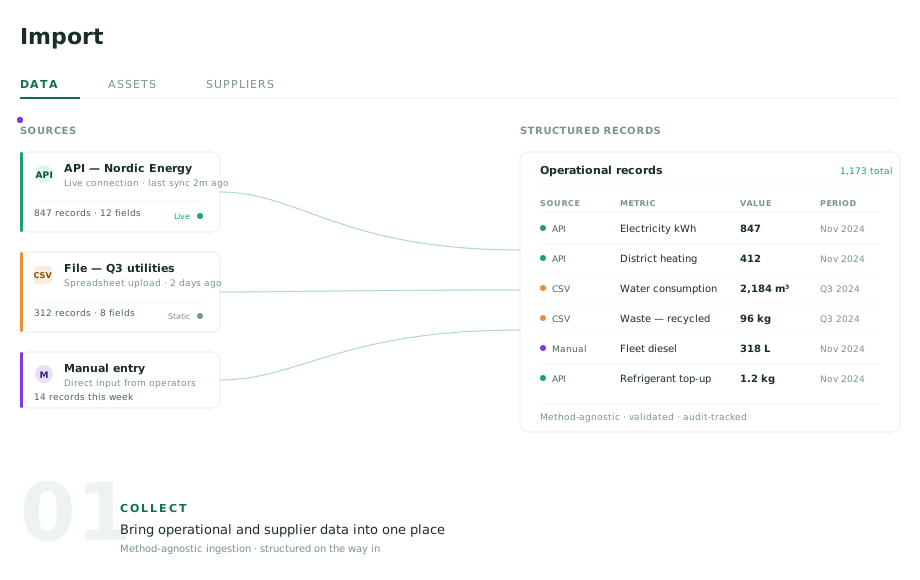
Several pathways, one standardised outcome
Data enters the platform through several pathways depending on the source and the organisation's setup. The platform supports system integrations, automated API imports, scheduled FTP transfers, file uploads (CSV, Excel), manual entry, and direct supplier participation.
Every import pathway feeds into the same standardisation process. Whether data arrives via a real-time API or a manually uploaded spreadsheet, it passes through the same validation, mapping, and structuring. The method of entry doesn't affect how the data is treated once inside.
IMPORT METHODS
Connect what you can. Enter what you can't.
The platform adapts to your setup. Every method feeds the same validation and structuring process.
System integrations
Real-time data from ERP systems, data platforms, and external services
Automated API imports
Continuous ingestion from operational systems and supplier platforms
FTP transfers
Scheduled secure file transfers from external servers on a fixed cadence
File uploads
CSV, Excel, and other standard formats for bulk or periodic data
Manual entry
Individual activity records entered directly into the platform
Supplier participation
Value-chain partners contribute data through their own accounts
CONNECTION MODELS
Public and private connections
Shared integrations maintained across the ecosystem. When a data provider is already connected, their data flows to every customer automatically. No setup required on your side.
Direct connections to your own systems, like ERP or financial platforms. Set these up yourself using published guidelines, or work with an implementation partner.
All pathways, one data model
The platform supports two connection models: public connections shared across the ecosystem (when a data provider is already connected, every customer benefits) and private connections to your own systems (set up directly or through an implementation partner).
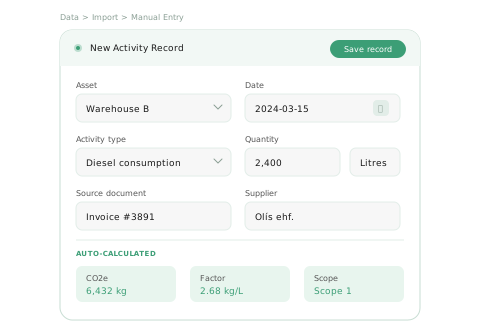
Social and governance data that has no automated source can be entered directly through a manual entry interface. The data receives the same validation and audit trail as automated imports.
Common questions about data import
Answers to the questions we hear from teams evaluating how data enters the platform.
CSV, Excel, and other standard formats. The platform maps columns and validates values during upload. Recurring uploads remember previous mappings, so repeat imports get faster over time.
Yes. The platform supports API and FTP connections to systems like Business Central. Public integrations are shared across the ecosystem. Private connections link your own systems directly or through an implementation partner.
Social and governance metrics, or any data not tracked in a formal system, can be entered directly through a manual entry interface. The data receives the same validation and audit trail as automated imports.
No. Every import pathway feeds into the same standardisation process. Whether data arrives via API, file upload, or manual entry, it passes through the same validation, mapping, and structuring. The method of entry doesn't affect how the data is treated once inside.
Public connections require no setup. Private API connections typically go live within days. File uploads work immediately. Most organisations have core data flowing within the first month.
Every transaction carries a full audit trail from the moment it enters the platform, including source, method, and timestamp. This applies equally to automated imports and manual entries.
Import is the first step in Collect
Once data is imported, it moves through standardisation, mapping, and classification before becoming structured transactions.