Platform / Data Infrastructure / Value Chain
Your supplier registry
A structured record of every supplier, service provider, and value chain partner your organisation works with.
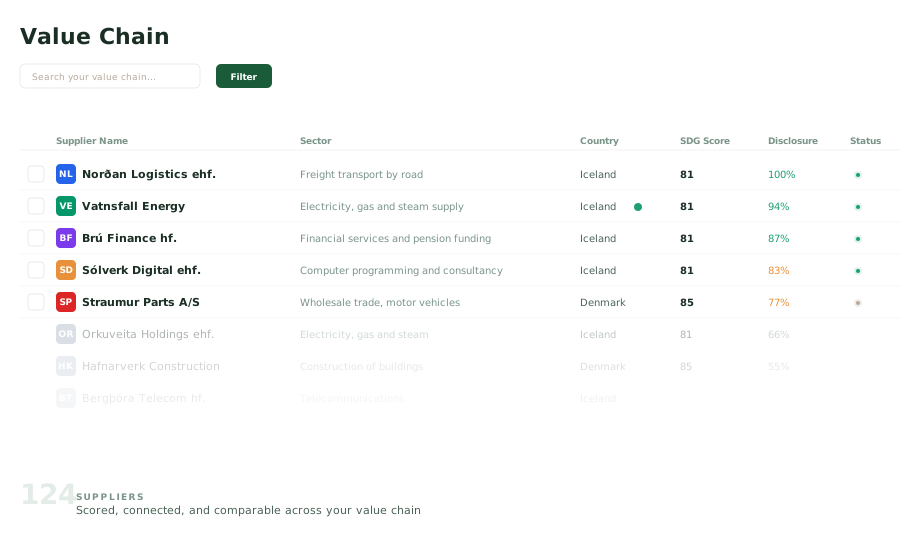
One identity per supplier, used everywhere
The value chain is where supplier relationships are defined and maintained. When operational data enters the platform, it carries raw supplier labels from external systems. These labels need to be linked to a governed supplier identity so that data is consistent across transactions, time periods, and reporting.
Each supplier in the value chain has a unique internal identity. This prevents duplicate records, ensures emissions are linked to the correct supplier, and makes supplier data reusable across the organisation.
When mapping a supplier label, the platform checks the ecosystem database first. If the supplier already exists, because another organisation has already connected them, you can link to the existing record. If not, you can create a new supplier identity.
KEY DETAILS
How supplier identity works
The value chain governs how supplier data is identified, linked, and reused across the platform.
Unique supplier identity
Every supplier has a unique identity that persists across transactions and time periods
Label mapping
Incoming supplier labels from external systems are mapped to governed identities through data mapping
Ecosystem reuse
Suppliers can exist in the ecosystem and be reused across multiple customer organisations
Identity separation
Supplier identity is separate from transaction data. Changing a supplier link doesn't rewrite the source record.
Factor linkage
If a supplier has a supplier-specific emission factor, the identity link determines which factor is applied
The foundation for everything downstream
The value chain feeds into everything downstream. Emissions calculations may depend on supplier identity when supplier-specific factors apply. Reporting allocates data by supplier.
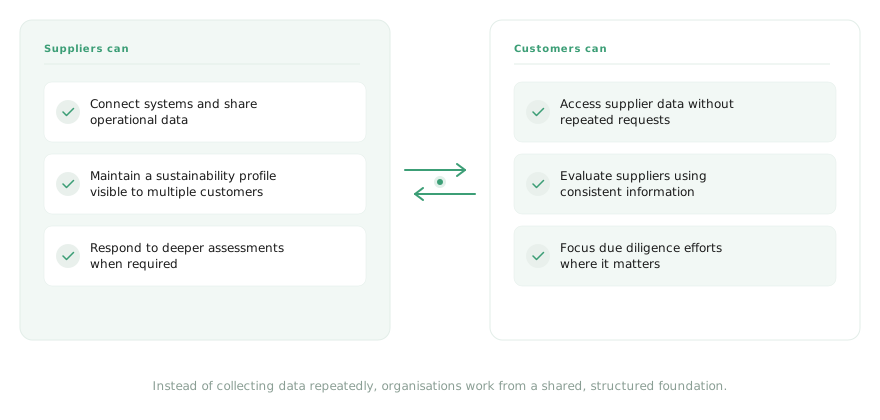
The Collaborate capability uses the value chain as the basis for data exchange, Impact Profiles, and due diligence.
Common questions about the value chain
Answers to questions we hear from teams setting up their supplier registry.
Raw supplier labels from external systems are mapped to governed identities in the value chain. The original labels are preserved. The mapping creates a link, not a replacement.
Yes. The platform checks the ecosystem database first. If another organisation has already connected a supplier, you can link to the existing record instead of creating a duplicate.
No. Supplier identity is separate from transaction data. Changing a link doesn't rewrite the source record or alter past calculations.
When a supplier has a supplier-specific emission factor, the identity link determines which factor is applied to their transactions. Without the link, only generic factors are available.
A label is a raw name from an external system (e.g., "Acme Corp" in one invoice, "ACME" in another). An identity is the governed, canonical record that all labels map to. One identity can have many labels.
Not necessarily. The ecosystem database grows as organisations connect suppliers. Many suppliers already exist because another organisation has already linked them. For new ones, you create the identity once and it becomes reusable.
Value Chain is the foundation of Collaborate
The value chain defines who your suppliers are. Collaborate uses those identities as the basis for data exchange, Impact Profiles, and due diligence.