
Platform / Results / Carbon Accounting
Scope 1, 2, and 3 from structured activity data
Emissions calculated automatically based on activity type and classification. Factors update when methodologies improve. Historical results stay current.
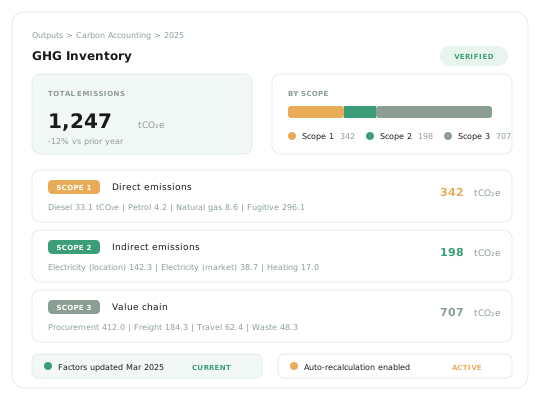
From activity records to emissions figures
Carbon accounting is the process of turning operational activity, fuel burned, electricity consumed, waste generated, transport used, goods purchased, into emissions expressed in tCO₂e. The platform calculates Scope 1, 2, and 3 emissions directly from structured transactions. For Purchased Goods and Services held only as monetary spend, the platform calculates emissions from that spend, so those purchases are still accounted for without activity data.
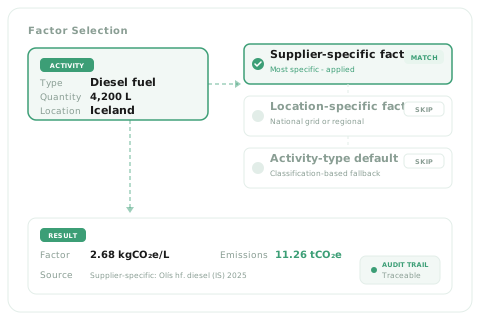
Emission factors are selected automatically based on the activity’s classification, supplier, location, and validity period. When no specific factor exists, a broader fallback factor is applied. The system always uses the most specific factor available.
When factors are updated or methodologies improve, source records stay intact, the calculation logic updates, not the data. This means your carbon accounting improves over time without manual rework.
Key details
Scope 1
Direct emissions from owned or controlled sources (fuel combustion, fugitive emissions)
Scope 2
Indirect emissions from purchased electricity, heating, cooling, and steam (location-based and market-based)
Scope 3
Value chain emissions
Activity-based calculation
Activity-based calculation where operational data is available
Precalculated estimates
Precalculated estimates used as fallback where activity data doesn’t exist
Automatic unit conversions
Unit conversions are applied automatically based on classification
Factor updates with audit trail
Factor updates and methodology changes trigger recalculation with audit trail
How it connects
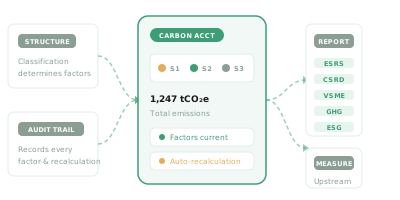
Carbon accounting depends on the Structure step (classification determines which factors apply) and feeds into Sustainability Reports (emissions are a core component of every framework). The Audit Trail records every factor selection and recalculation so results can be explained and defended.
Common questions about carbon accounting
Answers to the questions we hear from teams evaluating carbon accounting.
Yes. The platform calculates Scope 1 (direct emissions), Scope 2 (purchased energy, both location-based and market-based), and Scope 3 (value chain emissions across upstream and downstream categories).
Emission factors are selected automatically based on the activity’s classification, supplier, location, and validity period. The platform applies the most specific factor available. Where no specific factor exists, a broader fallback is used.
Source records stay intact. When factors are updated or methodologies improve, the calculation logic updates and historical figures recalculate automatically. A full audit trail records what changed, when, and why.
You do not need activity data for every purchase. Where operational quantities are not available, the platform uses pre-calculated figures where a trusted value already exists, and for Purchased Goods and Services it can calculate from monetary spend using factors pre-adjusted for currency and inflation. Activity data is always used first where available, and GHG Insights shows which method produced each figure, so the inventory remains traceable.
Yes. Unit conversions are applied automatically based on classification. Litres to kWh, tonnes to cubic metres, and other transformations happen without manual intervention.
Every factor selection and recalculation is recorded in the audit trail. When an auditor asks where a number comes from, the full chain from source transaction to emission factor to result is documented.
See how your activity data becomes emissions figures
See how the platform calculates emissions from structured activity data, and how factor updates keep your carbon accounting current without manual rework.