
Platform / Measure
Emissions derived, not assembled
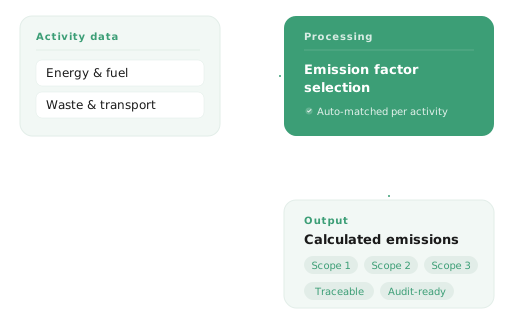
Structured activity data flows in. Scope 1, 2, and 3 emissions flow out, calculated automatically using standardised factors and methodologies.
Used by 200+ organizations across 26 countries
Disconnected calculations create unreliable results
Emission factors applied in spreadsheets. Methodologies documented in slide decks. Results that can't be traced back to the activity that created them.
And by the time the data is assembled and the report is published, the inefficiencies are months old. Reporting tells you where you were. Visibility tells you where to act.
Calculations live inside the data
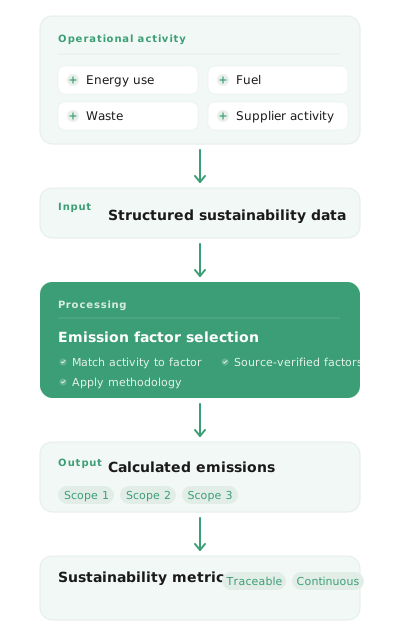
Energy use, fuel, waste, transport, and supplier activity each become structured transactions. Emission factors are applied automatically based on activity characteristics. The calculation is the data, not a layer on top of it. As operational data enters, sustainability metrics update.
CALCULATION ENGINE
From activity data to emission figures
The platform handles factor selection, unit conversion, and scope classification automatically. Every result is traceable back to the activity record that produced it.
Automatic factor selection
Emission factors applied consistently across the organisation based on activity type and classification.
Unit conversion and normalisation
Raw quantities are converted into standardised units, litres to kWh, m³ to kg, across energy, volume, and mass, so data is comparable regardless of how it was originally reported.
Activity, spend and precalculated
Activity data comes first, from operational quantities where available. For Purchased Goods and Services without quantities, calculate from monetary spend using factors adjusted for currency and inflation. Precalculated figures fill any remaining gaps.
Continuous recalculation
Factors update. Methodologies improve. Historical calculations stay current without manual rework.
Performance becomes visible while operations are running
Operational data flows in. Sustainability metrics update automatically. Teams see what's happening, not only what happened last year.
ANALYSIS & MONITORING
Track what matters across the organisation
Calculated results flow into operational dashboards and sustainability indicators. No separate analytics setup required.
Resource and emissions tracking
Scope 1, 2, and 3 emissions, energy, fuel, waste, water, business travel, etc., monitored as data enters the system.
Multi-entity views
Compare performance across sites, business units, and legal entities. Spot outliers before they reach the report.
Operational KPIs
Track targets at group, entity, or asset level. Detect energy outside operating hours, unnecessary waste pickups, heating anomalies, inefficient transport patterns.
Sustainability metrics
Emissions, energy consumption indicators, and resource use impacts generated continuously from structured activity data.
See how organisations calculate emissions with Klappir
Eimskip operates 16 vessels across 20 countries, with emissions flowing from vessels, trucks, terminals, and warehouses simultaneously. Scope 1, 2, and 3 calculations run from a single structured dataset, with every figure traceable back to its source record.
When regulations required switching marine fuel emissions from CO₂ to CO₂-equivalent in 2024, recalculations were automatically applied retroactively to 2015, 2022, and 2023, without manual reprocessing across 21 entities. The source records stayed intact; the calculation logic updated; the audit trail remained complete.

Eimskip results with the Klappir Platform
Fleet-wide emission tracking at operational scale
Historical emissions recalculated using updated methodologies
Reduction in emissions per transported ton since 2015
“Klappir's Platform offers real-time monitoring of operational performance and exposes the environmental impact of our business across the entire value chain.”

Common questions about measurement
Answers to the questions we hear from sustainability teams evaluating how Klappir handles calculations and performance analysis.
The calculation engine applies recognised emission factors from official databases, including national energy authorities and the GHG Protocol, to your raw activity data. Every result links back to the source transaction and the factor used, so auditors can trace any number to its origin. For Purchased Goods and Services held as monetary spend, the engine applies a spend-based factor for the matched classification, currency, and period, with the same source-to-result traceability.
Yes. The platform covers Scope 1, 2, and 3 emissions following the Greenhouse Gas Protocol. Activity data from your own operations, purchased energy, and value chain are each calculated with the appropriate methodology and aggregated into a complete footprint.
Dashboards update as new data flows in. Depending on how frequently your data sources sync — daily, weekly, or monthly — your performance metrics reflect the latest available information without manual refresh.
Yes. You can set reduction targets and the platform tracks actual performance against them over time. Trend analysis shows whether you are on track, and alerts flag anomalies or regressions before they compound.
The platform maintains a full audit trail linking every calculated figure to the underlying transaction, the emission factor applied, and the methodology version. This chain of evidence is designed to satisfy external auditors and third-party verifiers.
Measured results support both decisions and disclosures
Operational insights support both internal decisions and external disclosures. The same structured data infrastructure powers sustainability reporting across frameworks, audit trails, and value chain transparency.